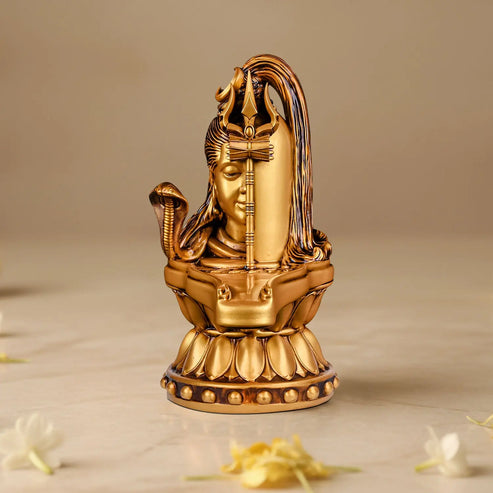
The Shiva statue is one of the most iconic and spiritually significant symbols in Hinduism. Found in temples, pilgrimage centers, meditation spaces, and public monuments across the world, these statues represent Lord Shiva, one of the principal deities of the Hindu faith. More than just artistic creations, Shiva statues embody profound spiritual teachings, timeless wisdom, and centuries of cultural heritage. Their presence inspires devotion, meditation, and self-reflection among millions of people worldwide.
Lord Shiva is often referred to as the Supreme Yogi, the Destroyer of Evil, and the Lord of Transformation. In Hindu philosophy, destruction does not imply negativity; rather, it signifies the removal of ignorance, ego, and obstacles to pave the way for renewal and spiritual growth. Shiva statues beautifully capture these concepts through intricate symbolism and artistic expression, making them powerful representations of divine consciousness.
Historical Origins of Shiva Statues
The worship of Lord Shiva dates back thousands of years and is deeply rooted in Indian civilization. Historians and archaeologists have discovered evidence suggesting that Shiva-like figures may have been worshipped during the Indus Valley Civilization, one of the world's oldest urban cultures. Ancient seals depicting a seated figure in a meditative posture are often associated with an early form of Shiva known as Pashupati, the Lord of Animals.
Over time, Shiva worship evolved through the Vedic and post-Vedic periods. Initially represented through symbols such as the Shiva Lingam, the deity gradually came to be portrayed in human form. Temple architecture flourished under various dynasties, including the Pallavas, Cholas, Rashtrakutas, and Guptas, leading to the creation of magnificent Shiva sculptures and statues.
The Chola dynasty, which ruled southern India between the 9th and 13th centuries, is particularly renowned for producing some of the most exquisite bronze Shiva statues ever created. These masterpieces remain celebrated for their artistic beauty and spiritual depth.
Symbolism Embedded in Shiva Statues
One of the most fascinating aspects of a Shiva statue is the rich symbolism found in every detail. Each element carries spiritual meaning and conveys important philosophical lessons.
The Third Eye
Perhaps the most distinctive feature of Lord Shiva is his third eye, located on the forehead. This eye symbolizes higher perception, spiritual wisdom, and inner vision. According to Hindu mythology, Shiva opens his third eye to destroy ignorance and illusion, allowing truth to emerge.
Crescent Moon
The crescent moon resting on Shiva's head represents time and its cyclical nature. It signifies Shiva's mastery over time and reminds devotees that all phases of life are temporary and ever-changing.
Flowing River Ganga
Many Shiva statues depict the sacred River Ganga emerging from his matted hair. This symbolizes purity, life, and divine grace. According to legend, Shiva controlled the force of the descending river to protect the Earth from destruction.
Serpent Around the Neck
The cobra coiled around Shiva's neck symbolizes power, fearlessness, and control over worldly desires. It also represents the awakening of spiritual energy, often referred to as Kundalini.
Trident (Trishul)
The Trishul is one of Shiva's most recognizable attributes. Its three prongs symbolize creation, preservation, and destruction—the three essential forces governing the universe. It also represents mastery over the mind, body, and soul.
Damaru Drum
The small drum known as the Damaru symbolizes the cosmic sound from which creation originated. The rhythmic beat of the drum represents the eternal cycle of birth, life, death, and rebirth.
Sacred Ashes
Shiva is often portrayed with ashes smeared across his body. These ashes symbolize the impermanent nature of material existence and encourage detachment from worldly possessions and ego.
Different Forms of Shiva Statues
Shiva is depicted in various forms, each highlighting a different aspect of his divine personality.
Shiva Lingam
The Shiva Lingam is the most sacred and widely worshipped symbol of Lord Shiva. It represents the infinite and formless nature of the divine. Millions of devotees visit temples containing Shiva Lingams, especially during the festival of Mahashivratri.
Nataraja – The Cosmic Dancer
The Nataraja form is among the most celebrated depictions of Shiva. In this representation, Shiva performs the cosmic dance known as Tandava within a circle of flames. This dance symbolizes the continuous process of creation, preservation, destruction, and renewal in the universe.
The Nataraja statue is considered a masterpiece of Indian art and philosophy. It reflects the dynamic movement of the cosmos and the interconnectedness of all existence.
Meditating Shiva
Many statues portray Shiva seated in deep meditation on Mount Kailash. These statues emphasize inner peace, mindfulness, and self-realization. They serve as powerful symbols for those seeking spiritual growth and mental clarity.
Ardhanarishvara
This unique form combines Shiva and Goddess Parvati into one body, with half male and half female features. Ardhanarishvara symbolizes harmony, balance, and the unity of masculine and feminine energies in the universe.
Dakshinamurthy
In the form of Dakshinamurthy, Shiva appears as the supreme teacher who imparts wisdom and knowledge. This representation is particularly revered by students, scholars, and spiritual seekers.
Famous Shiva Statues Around the World
Several giant Shiva statues have become globally recognized landmarks, attracting pilgrims and tourists alike.
Adiyogi Statue
Located near Coimbatore in Tamil Nadu, the Adiyogi statue stands 112 feet tall and is one of the largest bust sculptures in the world. It represents Shiva as the first yogi and symbolizes the ancient science of yoga.
The massive black statue has become an international center for meditation, wellness, and spiritual learning.
Murudeshwar Shiva Statue
Situated on the coast of Karnataka, the Murudeshwar Shiva statue is among the tallest Shiva statues in the world. Overlooking the Arabian Sea, it offers a breathtaking view and serves as a major pilgrimage destination.
Kailashnath Mahadev Statue
Located in Nepal, the Kailashnath Mahadev statue stands as one of the tallest depictions of Lord Shiva globally. It has become a symbol of devotion and architectural achievement.
Mangal Mahadev Statue
Found in Mauritius, this impressive Shiva statue reflects the deep spiritual traditions maintained by the island's Hindu community. It attracts thousands of visitors every year during religious festivals.
Artistic Excellence and Craftsmanship
Creating a Shiva statue requires exceptional skill, patience, and spiritual understanding. Traditional sculptors often follow ancient guidelines described in sacred texts known as the Shilpa Shastras. These texts provide detailed instructions regarding proportions, postures, facial expressions, and symbolic elements.
Various materials are used in the creation of Shiva statues, including:
- Marble
- Granite
- Bronze
- Brass
- Copper
- Wood
- Sandstone
- Fiber-reinforced materials
Each material offers unique qualities. Bronze statues are prized for intricate detailing, while stone sculptures are valued for their durability and grandeur.
Artists devote careful attention to every aspect of the statue, ensuring that it reflects both aesthetic beauty and spiritual significance. The serene expression on Shiva's face often conveys peace, compassion, and transcendence.
Spiritual Importance of Shiva Statues
For devotees, Shiva statues are not merely decorative objects. They serve as sacred focal points for worship, meditation, and prayer. Many people install Shiva statues in their homes, temples, and gardens to create an atmosphere of peace and positivity.
Devotional practices associated with Shiva statues include:
- Offering flowers and fruits
- Lighting oil lamps
- Chanting mantras such as "Om Namah Shivaya"
- Performing Abhishekam (ritual bathing)
- Meditating before the statue
These practices help devotees cultivate discipline, gratitude, and spiritual awareness.
The image of Shiva in meditation particularly inspires individuals seeking inner peace amidst the challenges of modern life. It reminds practitioners that true happiness comes from self-realization rather than external achievements.
Shiva Statues in Modern Times
In today's world, Shiva statues continue to inspire people across cultures and religions. Their symbolism extends beyond traditional worship and resonates with individuals interested in yoga, meditation, mindfulness, and holistic well-being.
Many wellness centers, yoga studios, and spiritual retreats feature Shiva statues as symbols of transformation and self-discovery. The image of the meditating Shiva has become globally recognized as a representation of inner balance and higher consciousness.
Additionally, monumental Shiva statues have emerged as major tourist attractions, contributing to local economies and promoting cultural tourism. Visitors from around the world travel to experience these magnificent structures and learn about the rich traditions they represent.
Cultural Significance and Legacy
The Shiva statue stands as a testament to India's rich artistic and spiritual heritage. It reflects centuries of philosophical thought, religious devotion, and creative excellence. Through sculpture, architecture, and symbolism, Shiva statues preserve cultural traditions while continuing to inspire future generations.
They also foster a sense of identity and continuity among Hindu communities worldwide. Festivals, rituals, and pilgrimage journeys centered around Shiva strengthen cultural bonds and transmit ancient wisdom across generations.
As symbols of resilience, transformation, and enlightenment, Shiva statues remain relevant in an ever-changing world. Their enduring appeal demonstrates the universal human quest for meaning, peace, and spiritual fulfillment.
Conclusion
The Shiva statue is far more than a religious icon. It is a powerful symbol of transformation, wisdom, meditation, and cosmic balance. From ancient temples to modern monuments, Shiva statues continue to inspire millions with their profound spiritual message and artistic beauty.
Every feature of the statue—from the third eye and crescent moon to the trident and serpent—conveys timeless lessons about life, consciousness, and the universe. Whether viewed as an object of worship, a masterpiece of sculpture, or a symbol of inner awakening, the Shiva statue holds a unique place in human culture and spirituality.
Its enduring presence across centuries serves as a reminder that true strength comes from self-mastery, wisdom, and harmony with the universe. As long as people seek meaning and enlightenment, the majestic image of Lord Shiva will continue to inspire hearts and minds around the world.